



Joint Space Osteopathy in Dubai
Joint Space osteopathy clinic in Dubai provides the best osteopathic treatment for a range of muscle and joint conditions.
What is Osteopathy?
Osteopathy is a patient-centred, systems-based healthcare discipline grounded in anatomy, physiology, and the principle that structure and function are interdependent. It recognises the body as an integrated unit, capable of self-regulation and self-healing when mechanical, neurological, vascular, and metabolic relationships are optimised. Osteopathy includes three branches: parietal (structural), cranial, and visceral.
Osteopaths are regulated healthcare professionals trained to assess how musculoskeletal, visceral, neurological, vascular, and autonomic systems interact and influence health. Treatment is tailored to the individual and aims to restore physiological adaptability, tissue mobility, and efficient regulation rather than addressing symptoms in isolation.
What to Expect at Your First Osteopathic Consultation
Your initial consultation includes a comprehensive medical history covering:
• Current symptoms
• Past illnesses, injuries, surgeries
• Lifestyle factors
• Early life influences
Followed by clinical assessment:
• Postural and movement analysis
• Osteopathic and orthopaedic examination
• Neurological and functional testing
• Palpation assessing tissue tone, organ mobility, and strain patterns
The goal is to understand why symptoms developed, how systems interact, and where compensations or restrictions may impact function.
Findings and treatment options are discussed clearly, and care begins based on clinical rationale.
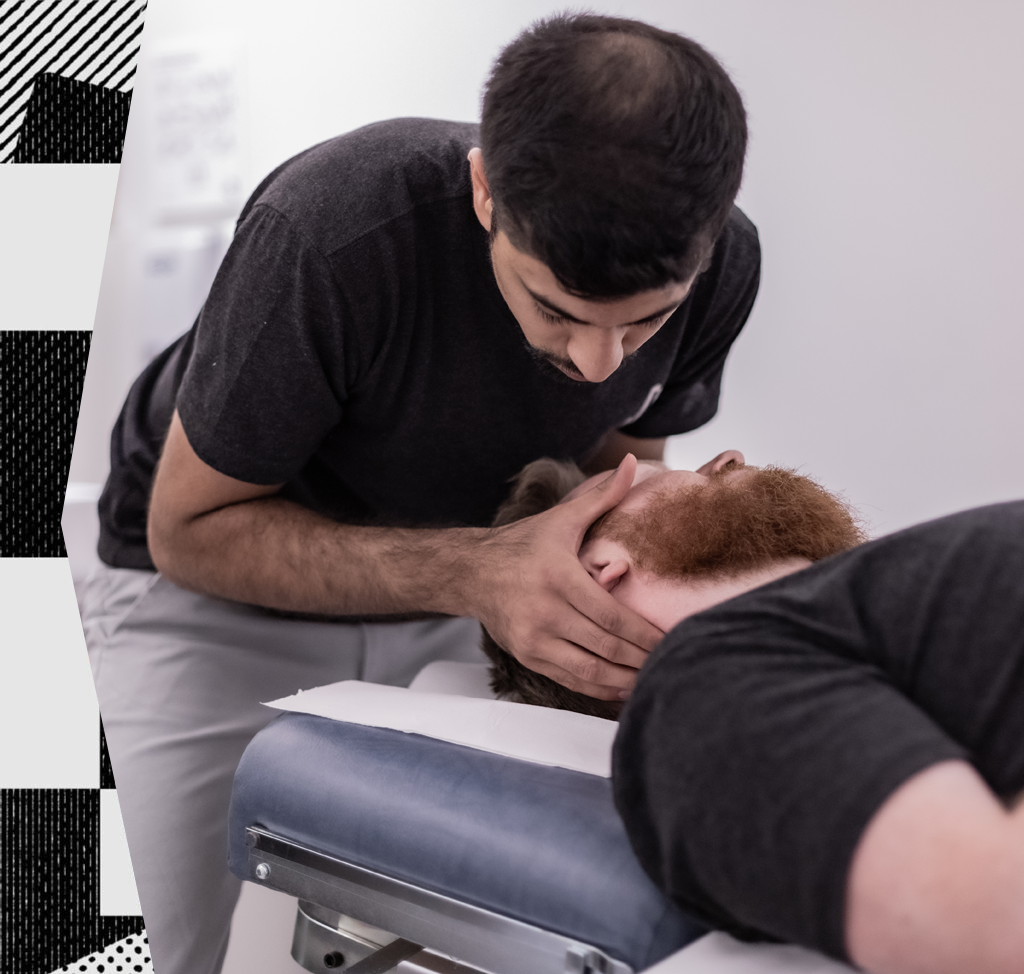
What do Joint Space osteopaths treat?
Treatment is appropriate across the lifespan, from newborns to older adults.
Common areas of care include:
• Spinal and joint issues (neck, back, shoulders, hips, extremities pain)
• Sports and overuse injuries
• Headaches and jaw dysfunction
• Digestive symptoms
• Breathing deprivation and respiratory issues
How do Joint Space osteopaths work?
Osteopaths use touch, physical manipulation, stretching and massage to increase the mobility of joints, to relieve muscle tension, to enhance the blood and nerve supply to tissues, and to help your body’s own healing mechanisms. Osteopaths may also provide advice on posture and exercise to aid recovery, promote health and prevent symptoms recurring. Osteopaths will also work with, or refer you to, other
Book your session